Albert Embankment Balconies Small Garden Solutions by Gardeners
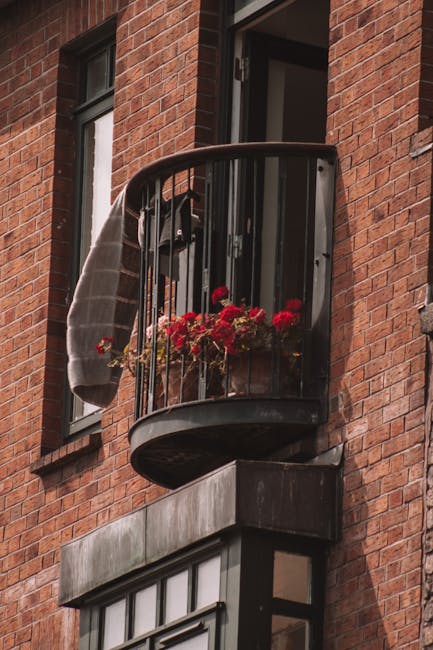
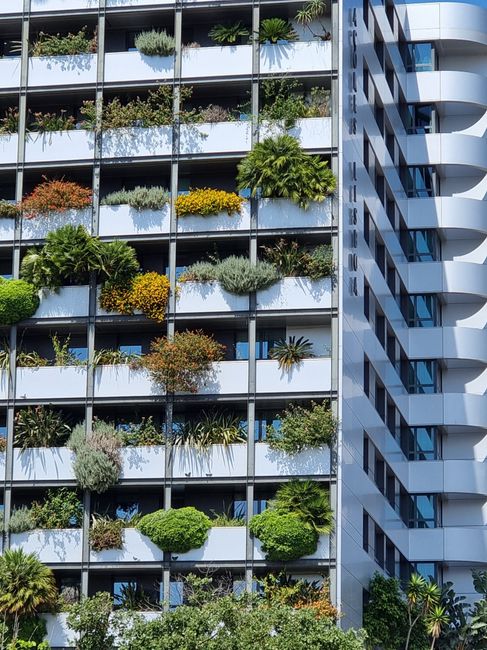
Balcony gardening sounds simple until you stand on a narrow Albert Embankment balcony with a bag of compost, a wind-chilled tray of herbs, and not much floor space to spare. Then the real questions appear: what will survive the conditions, how do you keep it neat, and how do you make it feel like a proper small garden rather than a few sad pots in a row? That is exactly where Albert Embankment balconies small garden solutions by gardeners come in. The right approach turns a compact outdoor space into something calm, useful, and surprisingly full of life.
In this guide, we look at how professional gardeners shape balcony gardens that work in real London conditions: wind, shade, limited load-bearing space, privacy concerns, and the usual problem of not knowing where to start. You will find practical ideas, step-by-step guidance, common mistakes, and a realistic way to decide what belongs on your balcony and what frankly does not.
Why Albert Embankment balconies small garden solutions by gardeners Matters
Albert Embankment has a very particular feel: urban, elegant, busy, and often exposed to river-facing conditions that can be a bit unforgiving. A balcony there is not just a decorative add-on. For many residents, it is the only outdoor space they have, so every square metre needs to work hard. A well-designed balcony garden can soften hard architecture, make the home feel bigger, and give you a pocket of greenery that genuinely changes how the space feels day to day.
Small balcony gardening matters because compact spaces exaggerate every mistake. Too many containers and the balcony feels cluttered. Poor plant choice and everything browns off after one windy week. A heavy setup and you may create practical concerns you did not even consider at the start. The good news is that careful planning avoids most of this. Gardeners who work on balcony spaces think in layers: structure, planting, maintenance, safety, and seasonal change. That sounds a bit technical, but in practice it just means making the balcony pleasant without making life harder.
There is also a wellbeing angle that people often underestimate. A tidy, living balcony can make morning coffee feel different. You can hear the water in a small self-watering reservoir, notice bees visiting a flower, or catch a bit of scent from thyme or lavender on a warm afternoon. Small things, yes. But they matter.
For households looking beyond the balcony itself, a broader maintenance plan can help keep the whole property in shape. Services such as garden maintenance and landscape gardening are often part of the same conversation when residents want a consistent outdoor standard across a home or block.
How Albert Embankment balconies small garden solutions by gardeners Works
Balcony garden design usually starts with a practical audit. Not glamorous, I know, but very useful. A gardener looks at sunlight, wind exposure, access, drainage, railings, floor load limits, and how the balcony is actually used. Is it for breakfast? Occasional entertaining? Quiet reading? Or maybe you just want it to stop feeling like a forgotten ledge with a single plastic planter that rattles in the wind. Fair enough.
From there, the solution is built in layers. The first layer is structure: containers, stands, wall-mounted planters, screening, and sometimes slimline seating. The second layer is planting: compact shrubs, trailing plants, herbs, seasonal colour, and maybe one focal plant if the space allows. The third layer is maintenance: watering, pruning, feeding, and keeping growth in proportion so the balcony stays calm rather than overgrown. A good small garden is less about how much you fit in, and more about what you leave out.
On Albert Embankment balconies, gardeners also tend to work with microclimates. Wind off the river can dry pots quickly, while surrounding buildings may create shade at awkward times of day. That means a sunny plant from a sheltered garden centre display might struggle more than expected. This is one of those areas where professional judgment saves time and disappointment.
When the plan needs a full refresh, it can sit alongside wider outdoor works too. A clean, uncluttered base often begins with garden clearance, and if the balcony area forms part of a larger terrace or courtyard redesign, landscaping may also be relevant.
Key Benefits and Practical Advantages
The obvious benefit is visual appeal, but the real value goes further than that. A smart balcony garden can improve privacy, reduce the sense of hard urban edges, and make the home feel more personal. You open the door and instead of bare paving and a cold rail, you get texture, colour, and a feeling that someone actually lives there with care. That makes a difference.
There are also practical gains:
- Better use of limited space: vertical planters, rail containers, and slim furniture make the most of narrow layouts.
- Lower maintenance stress: the right plants and container setup reduce constant rescue work.
- More seasonal interest: carefully chosen plants keep the balcony appealing across the year.
- Improved privacy and screening: leafy arrangements can soften views without making the space feel boxed in.
- Safer, tidier layouts: balanced placement helps prevent congestion, tripping hazards, and water spill issues.
Another advantage is flexibility. Balcony gardens do not need to be permanent, complicated, or expensive all at once. In fact, a phased approach is often better. Start with structure, then add planting, then refine the maintenance routine. It is far easier to live with a balcony that grows well over time than one overloaded on day one.
If the balcony is part of a building with shared outside areas, it can help to understand the service standards behind the property. Pages such as services overview and about us can be useful for checking how a gardening team approaches planning, safety, and ongoing support.
Who This Is For and When It Makes Sense
This kind of balcony solution suits a wide range of people, but especially those who want their outside space to feel intentional rather than improvised. If you live on Albert Embankment and your balcony is either underused or slightly chaotic, this is probably for you. If you have bought a few plants in spring, watched them struggle, and then quietly given up by July, yes, you too.
It makes sense for:
- Busy professionals who want a low-fuss, good-looking balcony.
- Apartment residents with little or no access to a private garden.
- Landlords and property managers who want the outside area to present well.
- Homeowners renovating a flat and looking to finish the space properly.
- People who enjoy herbs or container growing but need a more robust layout.
It also makes sense when the balcony keeps failing for the same reason. Maybe it is too windy. Maybe the pots dry out by lunchtime. Maybe the layout blocks access to the door. These are design problems, not personal failings. Honestly, most balcony issues are just mismatched choices.
For people who want ongoing care after the design stage, smaller spaces still need regular attention. A light but consistent approach, often supported by lawn mowing for any ground-level green areas nearby or hedge trimming where screening plants need shaping, helps keep the entire outdoor environment tidy.
Step-by-Step Guidance
Below is a practical way gardeners tend to approach balcony transformation. It is not fancy, but it works.
- Measure the space properly. Note the usable floor area, door swing, railing height, and any fixed features. Leave walking space. If you cannot move comfortably, the design is too crowded.
- Check exposure. Observe where the sun lands through the day and how much wind the balcony gets. A north-facing shaded balcony needs a different planting plan from a bright, exposed one.
- Define the purpose. Do you want dining, relaxing, herbs, screening, or a bit of everything? Pick one main purpose first. A balcony trying to do five jobs often ends up doing none of them well.
- Choose a base structure. Select planters, railing boxes, shelves, or narrow benches. Use materials that are suitable for outdoor use and manageable to lift if needed.
- Build with a planting palette. Choose a limited set of plants that share similar needs. This keeps watering and feeding more straightforward.
- Install drainage and watering support. Good drainage matters in containers. Saucers, liners, and self-watering systems can help, especially in summer.
- Add screening carefully. Use climbing supports, tall containers, or plant groupings for privacy, but avoid creating a sail effect in high wind.
- Refine the finishing touches. Add a lantern, seat pad, small table, or storage box only if it improves use, not just because it looks nice in a photo.
- Set a maintenance rhythm. Weekly watering checks, deadheading, and light tidying will usually keep the space respectable. Monthly pruning may be enough for many small balcony schemes.
A practical design often starts with a small number of reliable plants and expands only after you see what thrives. That is the sensible way. Or the less dramatic way, at least.
Expert Tips for Better Results
One of the biggest expert tips is to think in height rather than width. On a balcony, vertical layering often creates the feeling of a bigger, greener space without taking away precious floor room. Use tall planters at the ends, mid-height plants in the middle, and trailing varieties where they will soften edges rather than block movement.
Another useful trick is to keep the colour palette disciplined. A mix of too many pot colours, foliage types, and furniture finishes can look busy very quickly. A calmer palette usually feels more grown-up and more expensive, even if it is not. That is one of those small design truths people notice immediately, even if they cannot quite explain why.
Try to group plants by watering needs. This is a simple one, but it saves a lot of frustration. Drought-tolerant herbs should not be squeezed in beside thirstier flowering plants unless you are prepared to water more often. Similar needs, similar pots. Much easier.
Also, do not underestimate wind. Lightweight pots can shift or tip, and delicate foliage can look shredded after a few gusty days. On exposed balconies, heavier containers, secure placement, and sturdier plants are usually the right call. If a plant has a reputation for flopping, it may not be the hero you need here.
And one more thing: leave room for the balcony to be used, not just admired. A tiny chair pulled back from a pot can be the difference between a display and a place you actually sit down in. That matters more than people think.
Common Mistakes to Avoid
Small balcony gardens fail most often because they are overstuffed or underplanned. The first common mistake is buying plants before understanding conditions. A plant that looks perfect in a nursery corner may be totally wrong for your balcony's light and wind. Happens all the time.
The second is choosing containers that are too shallow or too light. Shallow pots dry out fast, and lightweight pots can become unstable. The third is overwatering because the balcony looks dry at the surface. Container soil often lies to you a little. It can look dry on top while still being wet lower down. Use your finger, a small trowel, or a simple moisture check rather than guessing.
Other mistakes include:
- blocking access to doors, drains, or maintenance points
- using too many tall items that make the balcony feel cramped
- ignoring drainage and creating water stains or puddles
- mixing too many plant types with very different care needs
- forgetting that plants grow, and often faster than you expect
People also forget maintenance at the design stage. A beautiful balcony that needs daily fussing will gradually become annoying. Better to create something slightly simpler that you can keep looking good all season. Truth be told, that is the real luxury.
Tools, Resources and Recommendations
You do not need a truckload of gear to build a good balcony garden. In most cases, the useful essentials are fairly modest. Here is a practical shortlist:
- Quality containers: choose outdoor-safe pots with enough depth for roots.
- Potting mix suited to containers: balcony plants usually need a lighter, more managed mix than ground planting.
- Watering can or compact hose setup: whatever is realistic for your access.
- Pruners or snips: for deadheading and tidy shaping.
- Plant supports: useful for climbers, herbs, and tall flowering varieties.
- Gloves and a scoop: a small thing, but they make the job less messy.
For professional support, a good gardening team should be comfortable explaining how they plan the work, what maintenance is needed, and what care the plants will need afterward. If you are comparing options, the pricing and quotes page is a sensible place to understand how the service is approached. You may also want to read insurance and safety and health and safety policy if the work involves awkward access, heavy containers, or shared residential spaces.
For longer-term upkeep, many residents find it helpful to combine balcony work with broader property care. A well-kept balcony looks better when the rest of the outdoor presentation is in order too, so pages like recycling and sustainability can also be useful if you care about how waste and materials are handled.
Law, Compliance, Standards, or Best Practice
Balcony gardening in London is not just a design issue; there are practical and safety expectations to keep in mind. Building rules, lease terms, and management company requirements may affect what can be installed, especially for rail planters, fixed screening, heavier pots, or anything that changes the exterior appearance. It is sensible to check those limits before starting. That is not red tape for the sake of it. It is about avoiding awkward conversations later.
Best practice usually includes keeping walkways clear, avoiding unstable items near edges, and making sure watering does not create nuisance runoff. In shared buildings, it is also courteous to consider overspill, dripping, and wind-blown debris. Nobody wants soil washed onto someone else's patio below. Not the vibe.
Professional gardeners working in these spaces should also work carefully around access, lifting, and site conditions. If a project involves disposal of old planters or a full balcony reset, a support service such as garden clearance may be relevant for removing waste responsibly. For property owners with larger exterior areas, tree lopping and removal is a separate specialist service and not usually part of balcony work, but it may matter where nearby trees affect light, leaf drop, or maintenance around the building.
One final point: always think about the balcony as part of the building envelope. Water, weight, and access all matter. A neat layout is good. A safe neat layout is better.
Options, Methods, or Comparison Table
There is no single best approach for every balcony. The right method depends on space, exposure, and how much maintenance you want to do. Here is a simple comparison to help narrow it down.
| Method | Best for | Strengths | Watch-outs |
|---|---|---|---|
| Container-only planting | Very small balconies | Flexible, easy to rearrange, simple to phase in | Can become cluttered if too many pots are used |
| Vertical planting | Narrow layouts and privacy needs | Saves floor space, adds height and texture | Requires secure fixing and wind-aware plant choice |
| Mixed seating and planting | Balconies used for relaxing | Feels like a real outdoor room | Needs very careful spacing to avoid crowding |
| Low-maintenance herb corner | Busy households or first-time gardeners | Practical, compact, useful for cooking | Still needs consistent watering and light |
| Screening-led design | Overlooked balconies | Improves privacy and comfort | Can reduce airflow if overdone |
In practice, many good balcony designs combine two methods rather than relying on only one. For example, a few structural containers plus a narrow herb shelf can be far more effective than a dozen little pots scattered across the floor. Less fuss. Better result.
Case Study or Real-World Example
Imagine a compact balcony overlooking Albert Embankment with little afternoon shade, regular breeze, and just enough room for two people to sit without knocking knees. The owner wants greenery, but not a maintenance headache. They also want privacy from neighbouring windows and a place to keep a cup of tea without balancing it on a plant pot. Reasonable ask, really.
The gardener starts by clearing the old mixed pots, tired compost, and one broken planter that has been there far too long. The layout is stripped back. Then comes a simple structure: two heavier planters at the corners, one narrow shelf unit for herbs, and a tall but stable screen plant chosen for its ability to cope with exposure. The planting palette stays narrow: lavender, thyme, a compact evergreen, and a seasonal flowering element for colour.
After planting, the gardener sets the pots so water runs cleanly, checks the balcony door clearance, and leaves a small central space open. The result is not packed. It feels intentional. A month later, the owner is using the balcony more because it feels calmer and easier to enjoy. That is the quiet win with small gardens. They do not have to shout to be effective.
Where projects involve a full refresh, it can be useful to see how the wider service approach is presented on the site. The same team ethos that supports balcony work often sits alongside services overview and the practical details in about us.
Practical Checklist
Use this checklist before starting or refreshing a balcony garden. It keeps the project grounded.
- Measure the usable floor space carefully.
- Check how much wind and sunlight the balcony gets.
- Confirm building or lease restrictions before fixing anything.
- Decide the main purpose of the balcony.
- Choose containers that are stable and the right depth.
- Use plants that suit the balcony's conditions.
- Leave a clear walking route and door access.
- Plan drainage so water does not cause mess or damage.
- Keep the design simple enough to maintain.
- Review the layout after a few weeks and adjust what is not working.
That last step matters more than people expect. A balcony garden is not a one-and-done object. It settles, changes, leans toward the light, and tells you quite quickly what it wants. Listen to it a bit. It usually knows.
Get a free quote today and see how much you can save.
Conclusion
Albert Embankment balconies small garden solutions by gardeners are about much more than placing a few pots outside. They are about making a compact urban space feel restful, safe, and genuinely useful. The best results come from careful planning, sensible plant choices, and a layout that respects the realities of London balcony life: wind, weight, access, and maintenance.
If you focus on structure first, then planting, then upkeep, you will end up with a balcony that works on a rainy Thursday as well as it does on a bright spring morning. And that is the goal, really. Not perfection. Something livable, welcoming, and quietly lovely.
When done well, a small balcony garden does not just decorate the home. It changes how you use it. A little more often, a little more happily. That's the part people remember.
Frequently Asked Questions
What are the best plants for an Albert Embankment balcony?
The best plants are usually compact, wind-tolerant, and suited to your light conditions. Herbs, evergreen structure plants, hardy flowering containers, and selected trailing varieties often work well, but the exact mix depends on whether your balcony is sunny, shaded, or exposed.
How do gardeners make a small balcony feel bigger?
They use vertical layers, a limited colour palette, slimline furniture, and careful spacing. The aim is to keep the centre of the balcony open while using the edges and height for planting and screening.
Can balcony gardens work in windy riverfront locations?
Yes, but the design needs to be wind-aware. Heavier pots, sturdy plants, secure placement, and fewer fragile items usually make a big difference. Lightweight decorations tend to become a nuisance very quickly.
Do balcony gardens need a lot of maintenance?
Not necessarily. A well-planned balcony garden can be quite manageable if the plants are matched to the conditions and the layout is simple. Weekly checks for water, tidiness, and growth are often enough for many setups.
How do I stop balcony plants drying out so fast?
Use deeper pots where possible, group plants by watering needs, and consider self-watering features or mulch on top of the compost. In summer, morning watering is often the most practical routine.
Is it safe to use heavy planters on a balcony?
It can be, but you should always consider the building's guidance and avoid unnecessary weight. If you are unsure, seek professional advice before filling very large containers. Safety first, decorative later.
Can I add privacy screening to a balcony garden?
Yes. Screening can be created using tall planters, carefully selected plants, and lightweight visual barriers, provided they are suitable for the space and do not create a hazard in windy conditions.
What is the biggest mistake people make with balcony gardens?
Overcrowding is probably the biggest one. People buy too many things too quickly, and the balcony ends up feeling smaller and harder to maintain. Starting with fewer, better-chosen elements is usually the smarter move.
How long does it take to set up a small balcony garden?
That depends on the scope. A simple refresh can be done fairly quickly, while a more complete design with planting, screening, and cleanup may take longer. The planning stage usually takes longer than people expect, and that is a good thing.
Should balcony garden work be linked with other garden services?
Sometimes yes, especially if you want a consistent look across the home or building. Services like garden maintenance, landscaping, or even decking services can be relevant when the balcony connects to larger outdoor areas.
How do I choose a gardener for balcony work?
Look for practical experience with small spaces, a sensible approach to safety, and clear explanations of how the garden will be maintained. A good gardener should be able to talk you through the planting plan and the aftercare without making it sound more complicated than it is.
What should I ask for in a quote?
Ask what is included, how the planting plan is handled, whether removal of old materials is part of the job, and what ongoing care may be needed. If you want to compare options fairly, the pricing and quotes page is a sensible starting point.