Gardeners near Vauxhall station top tips for townhouses
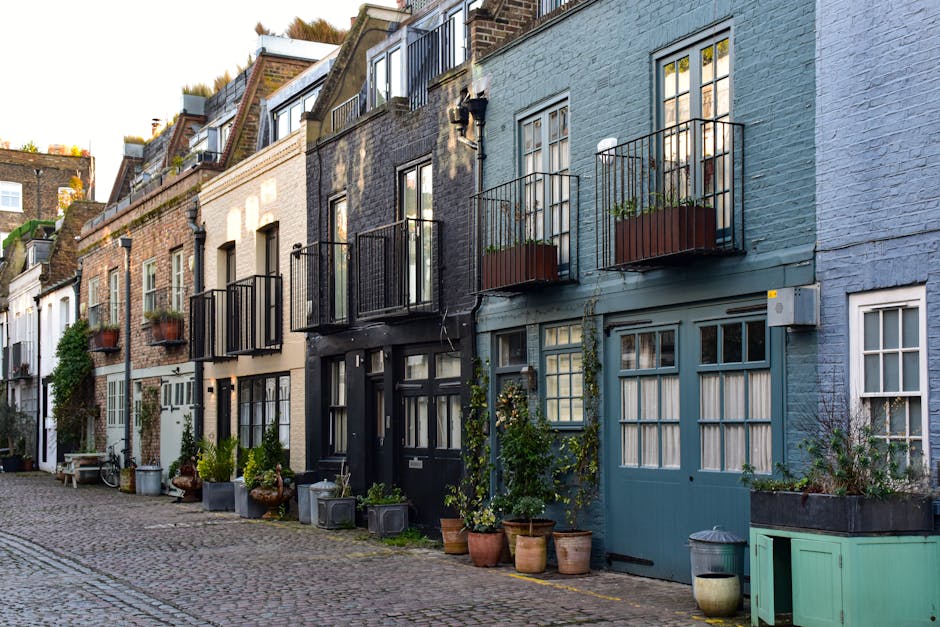
If you live in a townhouse near Vauxhall station, you already know the garden can be a bit of a mixed blessing. It might be small, overlooked, shaded, windy, or squeezed between brick walls and a busy street. But with the right approach, that space can become one of the best parts of the home. These Gardeners near Vauxhall station top tips for townhouses are focused on real-world results: tidy frontages, calmer rear gardens, smarter planting, and maintenance that fits a busy London routine.
Townhouse gardens are rarely "blank canvases" in the dreamy magazine sense. More often, they are narrow, urban, and a little demanding. That is fine. In fact, it helps to work with the space instead of fighting it. Below, you will find practical guidance on layout, planting, privacy, upkeep, and the small decisions that make a big difference over time.
Expert summary: The best townhouse gardens near Vauxhall are usually the ones that do less, better. Keep the structure simple, choose resilient plants, make access easy, and plan maintenance before the garden starts to feel like a job you never wanted. That sounds obvious, maybe, but it saves a lot of stress.
Why Gardeners near Vauxhall station top tips for townhouses Matters
Townhouse gardens in this part of London often have to work harder than bigger suburban plots. They may serve as a place for morning coffee, a safe bit of green for children, a private outdoor room for entertaining, or simply somewhere to decompress after a crowded commute. Near Vauxhall station, that matters even more because outdoor space tends to be precious, visible, and often close to neighbours.
The practical challenge is not just size. It is the combination of limited width, variable light, and the pace of urban life. A townhouse garden can turn scruffy quickly if the planting is too ambitious or the structure is too fiddly. One week of rain, one windy spell, and suddenly everything looks tired. Not a disaster, but annoying. Very annoying.
Getting the basics right means the garden feels calm rather than chaotic. It also means maintenance becomes manageable. That is the real win. If you are looking for professional help with ongoing upkeep, the garden maintenance service is a sensible place to start, especially if your outdoor space needs regular attention rather than a one-off tidy.
How Gardeners near Vauxhall station top tips for townhouses Works
The best townhouse gardening approach usually follows a simple pattern: assess the space, define how it will be used, then build structure before adding planting. That order matters. Too many people start with attractive plants and end up with a garden that looks lovely for three weeks and then becomes awkward to manage.
In practice, the work often includes a few core tasks:
- checking sunlight, shade, and wind exposure through the day
- deciding whether the space needs privacy screening
- choosing a layout that leaves enough room to move comfortably
- using hard landscaping or simple edging to define the garden
- selecting plants that suit London conditions and routine care levels
- planning maintenance, watering, and seasonal cutting back
For some homes, that may also mean dealing with overgrown hedges, a tired lawn, or the leftover clutter of an old layout. If that sounds familiar, garden clearance can help reset the space before any new work begins.
Townhouse gardens respond well to a layered approach. In other words: structure first, then planting, then finishing touches. A bench, a raised bed, a neat paved section, or a small deck can make the whole place feel intentional. If the design is more involved, landscaping or landscape gardening may be the right route, especially where levels, drainage, or circulation need proper planning.
Key Benefits and Practical Advantages
A well-managed townhouse garden does more than look tidy. It improves how the whole property feels. That might sound a bit grand, but it is true. Step outside into a green, balanced space and the house feels larger, calmer, and more lived-in in the best possible way.
- Better use of limited space: smart layout makes small gardens feel more generous.
- Easier maintenance: simpler planting and defined zones mean less ongoing stress.
- Improved privacy: screening and careful planting help soften overlooking windows and adjoining homes.
- Stronger kerb appeal: a tidy front garden or entrance instantly lifts the property.
- More usable outdoor living: seating, decking, and clear pathways make the garden feel like an extra room.
There is also a quieter benefit that people often underestimate: a garden that is easy to keep under control tends to get used more. You sit outside more often. You water things on time. You notice a plant failing before it becomes a problem. Small thing, big difference.
If your townhouse includes a usable terrace or a rear space where timber features would help, decking services can be a practical way to introduce clean lines and a warmer surface for seating areas.
Who This Is For and When It Makes Sense
These tips are especially useful for townhouse owners, tenants with responsibility for outdoor areas, property managers, and anyone trying to balance aesthetic appeal with low-maintenance reality. If you live near Vauxhall station, you may also be dealing with the usual city-level pressures: noise, neighbour sightlines, delivery access, and not much spare time. The garden has to fit your life, not the other way round.
This approach makes sense when:
- the garden is narrow or irregularly shaped
- the space is exposed to wind between buildings
- you want privacy without making the garden feel boxed in
- the lawn is struggling in shade or heavy foot traffic
- you need a clear plan for routine upkeep
- you are preparing a property for sale, letting, or a refresh
It is also useful if you have inherited a garden that was designed for someone else's taste. Happens all the time. One previous owner likes roses, another likes gravel, another has installed a border that seems to exist purely to collect leaves. The main thing is to choose a plan that suits the present use.
Step-by-Step Guidance
If you want a townhouse garden to feel elegant rather than overcrowded, it helps to work methodically. Here is a straightforward way to approach it.
- Measure and observe the space. Look at width, access points, shade, and where water tends to sit after rain. A five-minute look at midday and another in the evening can reveal more than people expect.
- Decide the main purpose. Is the garden for relaxing, entertaining, growing plants, or simply looking neat from the house? You cannot optimise for everything. Well, you can try, but the results get messy.
- Clear out the clutter. Remove dead plants, broken pots, weeds, and anything that blocks circulation. A tidy reset changes the feel immediately.
- Set the structure. Use paving, edging, raised beds, trellis, or a deck to define zones. Structure is what stops a small garden from feeling accidental.
- Choose planting by conditions, not wishful thinking. Match plants to light, soil, and how much care you can realistically give them.
- Build in privacy carefully. Use planting height, screens, or climbing plants so the garden feels sheltered without becoming dark.
- Plan maintenance from day one. Decide who will water, trim, feed, and sweep. If the answer is "I'll sort it later," later has a habit of arriving all at once.
If the lawn is central to the design, keep expectations realistic. A small lawn can be lovely, but it needs enough light and a sensible mowing routine. For upkeep, lawn mowing is one of those services that sounds basic until you realise how much difference a neat cut makes to the whole plot.
Expert Tips for Better Results
Here is where a few practical details make all the difference. Small gardens are less forgiving of poor choices, so the best advice is usually about restraint.
Choose fewer plant varieties, but choose them well
A townhouse garden often looks better with repetition than with a jumble of different plants. Repeating a few reliable species creates calm. It also makes aftercare simpler, which is no small thing when the week is already full.
Use vertical space intelligently
Trellis, climbers, wall planters, and tall but narrow shrubs can add height without eating into floor space. That matters around Vauxhall, where every square metre has to earn its keep.
Think in layers
A good small garden usually has a foreground, a middle layer, and a taller back layer. Even if the garden is tiny, a layered composition gives it depth. Without that, everything can look flat and a bit rushed.
Keep access easy for maintenance
Leave enough room to move a wheelbarrow, carry bags, or reach the back of beds without trampling things. It sounds obvious. Yet this is where many designs go wrong.
Prioritise healthy soil
Urban gardens often have compacted or tired soil. Improving soil structure before planting can save you months of frustration later. Good soil = fewer dramas. Not glamorous, but true.
If your garden includes hedging or a boundary screen, regular shaping can stop it from swallowing light or getting leggy. A reliable hedge trimming service helps keep the balance between privacy and daylight.
Common Mistakes to Avoid
Townhouse gardens are easy to overcomplicate. The biggest mistakes are usually practical, not aesthetic.
- Planting too densely: it looks full at first, then becomes crowded and difficult to maintain.
- Ignoring shade patterns: a plant that looks fine in a sunny nursery may struggle badly in an overlooked rear garden.
- Choosing high-maintenance features: complex borders, delicate plants, and fussy lawn edges can become a burden.
- Skipping the hard landscaping stage: if the layout is weak, the planting has to do too much work.
- Forgetting seasonal upkeep: winter clean-ups, spring cuts, and summer watering are not optional if you want a tidy result.
- Blocking access: if you cannot reach plants comfortably, you will stop maintaining them. Human nature, really.
Another common issue is overpruning. In small gardens, one heavy cut can change the whole shape of the space. If trees or larger shrubs are involved, careful management matters. Where appropriate, tree lopping and removal should always be approached cautiously and only when it genuinely improves safety, light, or long-term structure.
Tools, Resources and Recommendations
You do not need a shed full of specialist kit to keep a townhouse garden in good shape. In fact, too many tools often create more clutter than they solve. A modest, reliable set is usually enough.
| Task | Useful tools | What to look for |
|---|---|---|
| General upkeep | Hand rake, secateurs, gloves, broom | Comfortable grip and decent reach |
| Plant care | Watering can, hose, mulch fork | Easy handling and controlled watering |
| Light shaping | Pruners, loppers, hedge shears | Clean cuts rather than brute force |
| Lawn care | Mower, edging tool, rake | Compact size for tight access |
| Garden reset | Waste bags, fork, spade | Sturdy tools that can cope with heavier clearance |
For homeowners who want a clearer picture of what is available, the services overview is useful for understanding how different garden tasks fit together, from routine care to larger improvements.
When choosing a service, look for straightforward communication, sensible scheduling, and clear explanations of what is included. You want someone who can tell the difference between a quick tidy and a job that needs more thoughtful planning. That distinction matters more than people think.
Law, Compliance, Standards, or Best Practice
For townhouse gardens, the legal side is usually less about flashy regulation and more about common-sense responsibility. If you are employing a gardener or landscaping team, it is wise to check that they take safety seriously, work with appropriate insurance, and handle waste responsibly. That is standard best practice in the UK, and it protects both sides.
There can also be practical considerations around neighbour relations, access, and boundary work. For example, if a hedge, tree, or fence line affects adjoining properties, it is better to discuss the plan early rather than after the work has started. Nobody enjoys a surprise argument over a boundary root at 8:30 on a Tuesday morning.
Where waste is removed, responsible disposal matters. If you are clearing old planting, broken timber, or excess cuttings, using a team that pays attention to sorting and recycling is the cleaner choice. You can also read more about the company's approach to waste handling through its recycling and sustainability page.
It is also sensible to check service terms, payment clarity, and safety expectations before work begins. Those basics are not glamorous, but they keep everyone on the same page. A good contractor should be able to explain this plainly, without making it feel like admin theatre.
Options, Methods, and Comparison Table
When working on a townhouse garden, you normally have a few different routes. The right one depends on time, budget, and how much change you want.
| Approach | Best for | Pros | Trade-offs |
|---|---|---|---|
| Routine maintenance | Established gardens that just need keeping tidy | Lower disruption, steady appearance | Won't solve deeper layout problems |
| Clearance and reset | Overgrown or neglected townhouse gardens | Fast visual improvement, cleaner starting point | Needs a follow-up plan or it will slip back |
| Soft redesign | Gardens that need better planting and structure | Improves use and appearance without a full rebuild | Can still need regular upkeep |
| Full landscaping | Spaces with drainage, access, or layout issues | Most transformative result | More planning and usually more disruption |
For many townhouse owners, the best solution is a mix: a reset, followed by practical maintenance. If you need that balance, it is often better than going straight to a dramatic redesign that looks impressive but turns out to be hard work every month after. Truth be told, people often want the style of a big garden with the effort of a small one. Fair enough, but the garden has to be honest about its limits.
Case Study or Real-World Example
Take a typical townhouse near Vauxhall: a narrow rear garden, a paved sitting area, two tired borders, and a hedge that had been left to do its own thing. The owners wanted more privacy, less mess, and a space they could actually enjoy on a summer evening.
The first step was a clean-out. Old pots, dead stems, and accumulated debris went. Then the layout was simplified so there was one clear route to the back, a seating area close to the house, and planting on the more sheltered side. Instead of filling every corner, the design used repetition: a few structure plants, a climbing feature for height, and mulched borders to keep weeds down.
After that, maintenance was set on a lighter but regular rhythm. A small amount of weekly care kept the place looking intentional rather than overdone. By early autumn, the garden felt calmer, brighter, and more usable. Not perfect, because gardens never are. But much better. And that is usually the sweet spot.
In a case like that, ongoing support from a trusted local team can be worthwhile, especially if you want the garden to stay in good shape through the busy months. If you are comparing options, the page on pricing and quotes can help set expectations before you commit.
Practical Checklist
Use this checklist before you start work on a townhouse garden near Vauxhall station:
- Have I defined the main purpose of the garden?
- Do I know which parts get sun, shade, and wind?
- Have I removed clutter, weeds, and dead growth?
- Is the layout easy to walk through and maintain?
- Have I chosen plants that suit the site conditions?
- Does the garden have enough structure to look good in winter?
- Have I allowed for privacy without blocking all the light?
- Do I know what needs weekly, monthly, and seasonal care?
- Are larger shrubs, hedges, or trees being handled safely?
- Am I happy with the long-term maintenance level, not just the first-day look?
If you can tick most of those boxes, you are on the right track. If not, no drama. Better to pause and plan than dive into a design that becomes a headache by August.
Get a free quote today and see how much you can save.
Conclusion
Townhouse gardens near Vauxhall station can be compact, exposed, and a little tricky, but they are also full of potential. The best results come from keeping the design simple, choosing resilient planting, and planning maintenance before problems build up. That approach gives you a garden that feels calmer, more useful, and much easier to live with.
Whether you need a tidy reset, better privacy, smarter planting, or a more polished outdoor space for everyday use, the key is to work with the shape and pace of the property. Do that well, and even a small garden can feel like a proper retreat. Quiet, green, and yours.
Frequently Asked Questions
What should I prioritise first in a townhouse garden near Vauxhall station?
Start with the layout and the practical use of the space. Once you know where people will sit, walk, and store items, everything else becomes easier to plan. Planting comes after that.
How do I make a small townhouse garden feel bigger?
Use fewer materials, keep pathways clear, and repeat a small number of plant types. Vertical planting and light-coloured surfaces can help too. The trick is not to overcrowd the space.
Are lawns a good idea in townhouse gardens?
Sometimes, yes, but only if the area gets enough light and you are willing to keep up with mowing and edging. In many compact urban gardens, a smaller planted area or mixed surface may be more practical.
What plants work well in shaded London townhouse gardens?
Plants that tolerate partial shade and variable conditions usually do best. The exact choice depends on your soil, orientation, and how much wind the garden gets. A local gardener can help narrow it down quickly.
How often should a townhouse garden be maintained?
That depends on the design, but most urban gardens benefit from regular light maintenance rather than occasional heavy work. A little and often approach keeps things tidy and less stressful.
Do I need landscaping, or will garden maintenance be enough?
If the garden is already laid out well and just needs care, maintenance may be enough. If the space has structural issues, poor access, or awkward levels, landscaping may make more sense.
How can I improve privacy without making the garden dark?
Use layered planting, trellis, or selective screening instead of solid barriers everywhere. That gives privacy while still letting in light and air. A bit of balance goes a long way.
What is the best way to deal with an overgrown townhouse garden?
Start with garden clearance, then assess what is worth keeping. Once the space is cleared, it is much easier to design a practical maintenance plan or decide whether small landscaping changes are needed.
How do I keep a townhouse garden tidy in winter?
Focus on structure. Evergreens, clean edges, trimmed hedges, and a cleared path make the garden look cared for even when flowering plants are resting.
Are decking or paved areas better for townhouse gardens?
It depends on how you use the space. Decking can feel warmer and softer underfoot, while paving is often lower-maintenance and very durable. Many townhouse gardens work best with a mix of both.
Should I hire a gardener near Vauxhall station or do it myself?
If the job is simple and you enjoy gardening, DIY can be fine. But if the garden needs clearing, reshaping, or regular upkeep you cannot keep pace with, a professional gardener can save time and avoid costly mistakes.
How do I know if a gardener is trustworthy?
Look for clear communication, sensible explanations, and straightforward policies around safety, payment, and service expectations. A good business should be easy to understand, not vague or pushy.
And if you are still deciding, that is okay. A good townhouse garden rarely happens in one dramatic leap; it comes together step by step, with a bit of patience and a clear eye. That is usually how the best spaces grow.